Emergency control lives or passes away on habits constructed before the alarm system sounds. The systems PUAFER005 and PUAFER006 rest at the heart of those habits. PUAFER005 operate as part of an emergency control organisation has to do with being a dependable warden under stress. PUAFER006 lead an emergency control organisation prolongs that to leading as chief warden or replacement, coordinating groups and making time-critical decisions while handling insufficient details. I have watched both succeed and fall short inside offices, storehouses, health centers, and mixed-use sites. Patterns emerge. The best results come from basic systems rehearsed well and applied without fuss.
This post strings sensible lessons via actual circumstances, focusing on just how a warden team applies PUAFER005 on the floor and just how a chief warden makes use of PUAFER006 to orchestrate the entire structure. Along the road, I resolve common questions about fire warden training requirements, hat and headgear colours, and how to develop a fire warden course or chief warden course that creates judgment, not simply theory.
What operating as part of an ECO resembles in practice
The emergency control organisation, or ECO, is not a board. It is a framework that turns confusion right into activity within the first 5 mins. Under PUAFER005, wardens discover to move, record, interact, aid people in danger, and intensify problems without blocking the radio. They do not dispute method in the passage. They execute, after that report upwards.
On an uncomplicated degree, a floor warden's rhythm is predictable. A smoke alarm sets off, wardens prepare to move, they inspect their alloted zone, they close doors, they lead occupants to departures, they handle persons with impairments or injuries, they report "location clear" to the chief warden, then they account for people at the assembly location. The value depends on just how constantly that occurs when real variables appear: a locked door, a stressed visitor, or a printer space that scents hot yet shows no noticeable flame. The training develops muscle mass memory for those moments.
A chief warden applying PUAFER006 is managing with an eye overall threat photo. They confirm the alarm type, communicate with the control space or panel, interact with wardens, choose partial or full evacuation, and user interface with fire solutions. They should fit with uncertainty. An excellent chief warden accepts that they will hardly ever have excellent details before committing to an action.
The colour concern: hats, safety helmets, and identification
In numerous organisations, hat or helmet colours assist determine duties swiftly. While techniques differ by territory and service, the most common pattern I see on websites that run solid fire warden training is this:
- Chief warden hat or helmet: white Deputy chief warden hat or headgear: white with a red stripe or tag Area or floor warden hat or helmet: yellow Communications warden: red or in some cases blue, relying on website conventions
The inquiry what colour helmet does a chief warden wear often arrive on my desk after a drill exposes confusion. If your site uses different colours, document it plainly in your emergency plan and include pictures in induction materials. The most effective system is the one your individuals can recall under stress and anxiety. Hats are just a tool, though. If batteries die and lights fall short, voices, radios, and basic commands lug more weight than any type of chief warden hat colour.
A retail centre discharge that rotated on a tiny decision
A multi-level retail centre ran a drill that substitute a grease fire at a food court supplier. The ECO included a chief warden at the control area and a loads wardens dispersed throughout levels. The chief warden, trained in PUAFER006 lead an emergency control organisation, selected an organized evacuation: clear the damaged level first, after that the degrees connected by escalators that produce chimney effects.
Two little choices repaid. First, the chief fire warden assigned one warden whose just task was to control escalator flow at the middle to stop backwash of people. Second, interactions kept to a solitary network with short, organized reports. Wardens used area, condition, and requirement in one sentence: "Degree 2 eastern vacating, food court fifty percent cleared, demand two wardens for flexibility help at lift bank." This mirrors the radio self-control instructed in both the PUAFER005 course and the chief fire warden training.
A year later, a real fryer fire happened. The lawn sprinkler managed it, but smoke moved quickly. The exact same presented approach with limited comms maintained complication low. By the time fire services arrived, the chief warden had a clear headcount and could inform them with maps marked in pen. You only obtain that technique when flooring wardens understand their lane and the chief warden takes timely choices without waiting for perfect confirmation.
Office tower case study: the stubborn re-entry
The hardest component of discharge is frequently not obtaining people out, but maintaining them out till it's safe. In a 22-storey office tower, the ECO performed a full emptying after a detector fault in a riser triggered duplicated alarms. During the 2nd reset, a group tried to re-enter with coffees in hand, saying that it was "undoubtedly a false alarm." A flooring warden, fresh from emergency warden training, stood at the door and provided a tranquility, duplicated line: "No re-entry authorised. Await instruction from the chief warden." She radioed the tried re-entry and asked for safety and security support, precisely as drilled.
That line sounds minor. Under pressure, it takes nerve to hold it. PUAFER005 emphasises adhering to the pecking order and holding safety obstacles. The chief warden, paying attention, determined to continue to be left and asked for a technician to confirm the riser solution before enabling anybody back. 10 minutes later, the professional found recurring contamination in the detector head. The hold-up most likely protected against a yo-yo discharge, which is where complacency types injuries on stairs. A tiny piece of self-control made the difference.
Manufacturing plant: partial emptying versus complete shutdown
In a light producing website, a driver scented solvent near a blending terminal. The ECO had actually previously drilled for full shutdown on any kind of chemical smell, which halted production for an hour each time and expense considerable result. The chief emergency warden intended to improve the approach based upon PUAFER006 principles: match the control to the threat, and utilize compartmentation.
They pre-planned areas and mounted smoke doors that might be shut remotely. During the next incident, wardens separated the impacted bay, activated removal, and left only two surrounding bays while keeping a hot zone border. The chief warden responsibilities included making sure no ignition resources near the bay, alerting the fire brigade, and getting air monitoring done prior to re-entry. Losses reduced, and rely on the system enhanced due to the fact that it really felt proportional.
The lesson is about nuance. Fire warden requirements in the workplace are not just about moving bodies to the car park. They also consist of regulating dangers and making the site safe to resume job. A good warden course consists of circumstances where partial discharges are the appropriate telephone call, with clear standards and pre-authorised triggers.
Healthcare: exact same systems, greater stakes
Hospitals and aged care centers can not constantly evacuate totally. Horizontal evacuations, defend-in-place methods, and area of refuge ideas control. Emergency warden training in these settings educates wardens to compartmentalise with smoke doors, to prioritise reliant occupants, and to make use of neighborhood oxygen shutoffs. Radios take on clinical alarms, so interaction procedures require trimming.
In one aged care site, a bed linen area fire loaded a hallway with smoke at 2 a.m. The over night chief fire warden, a medical supervisor with PUAFER006 course training, guided staff to relocate homeowners behind two sets of smoke doors, drew fire warden headgear colours spare masks from the collision cart for personnel working in the smoky section, and used a pre-coded phrase to make certain the nurse-in-charge can keep drug rounds entering a safe area. Fire solutions arrived within minutes. The chief fire warden duties were not heroic, they were systematic. Homeowners never ever saw flames, yet they felt calmer because personnel looked purposeful.
For healthcare, the chief fire warden requirements consist of understanding when to maintain individuals in their spaces, how to take care of oxygen-rich settings, and just how to interact with exterior responders that may not know your layout. A chief warden course constructed for health care will position added emphasis on smoke control and person movement help as opposed to stairwell flow.
Training that sticks: designing drills with purpose
The difference between a box-ticking fire warden course and one that in fact prepares individuals is the design of situations. PUAFER005 training should consist of barriers: a missing trick, an individual declining to leave, an individual that requires support down stairs, a jammed door, a lift out of service. The factor is to make wardens apply concepts, not remember scripts.
I like to turn duties. Allow a tranquil person play the difficult resident as soon as. It obtains everybody used to listening to "I'm not going," and attempting 3 reactions prior to escalating. In my experience, the best wording is respectful and company: "I recognize. It's not optional. We leave now and I will certainly stroll with you." If you require a power struggle, you slow down the entire stream.
For PUAFER006 lead an emergency control organisation, drills should worry choice factors. Trigger a 2nd alarm on a various floor and see whether the chief warden calls for complete discharge or holds the partial strategy while sending out two wardens to investigate. Present a radio failing and see how the team switches to joggers or a secondary network. These stressors make the genuine occasion feel manageable.
Fire warden training needs and frequency
Legal requirements vary by jurisdiction, but typical finest technique runs like this: site-specific ECO training at induction, refresher fire warden training at the very least yearly, and practical evacuation drills at the very least once or twice each year. High-risk occupancies frequently drill extra frequently. New layouts, new renters, or significant equipment modifications should trigger an additional drill, not just a memo.
Emergency warden course content need to cover alarm types, panel fundamentals, role obligations, equipment area, emptying paths, areas of haven, persons in jeopardy strategies, and radio protocols. The warden course should finish with a walk through the site holding the radio and touching the doors you prepare to use. If people entrust only a certification and no muscular tissue memory, the program missed the point.
Chief warden training goes additionally. A solid chief fire warden course includes panel procedure specifics, plan interpretation, staged emptying technique, pressurised stairwell monitoring, liaison with fire solutions, and post-incident recovery. It needs to use your real fire indicator panel and simulate your structure's layouts, not a common class slide deck. Whenever feasible, consist of a joint session with safety or facilities so the chief warden responsibilities align with access control and plant shutdown.
Communication under tension: the three-part report
Most ECOs struggle not with action, yet with network blockage. The PUAFER005 course typically shows a simple reporting framework that works throughout fields: place, condition, demand. Short beats long. After brushing up, a warden might claim, "Level 10 southern, clear to staircases B, helping one mobility-impaired to refuge, require a spare warden at lift lobby."
In comparison, flexible babble kills situational awareness. The chief warden's work is to model brevity, stick to names or phone call indications, and sum up every couple of mins. If the group utilizes a log jogger, have them duplicate key facts back on the radio to maintain every person lined up. At the setting up location, roll phone calls should be revealed by exceptions, not complete lists: "Waiting on three from Legal, anticipated with Warden Environment-friendly."
Visitors, service providers, and after-hours realities
Emergency warden training has a tendency to focus on employees, however a surprising quantity of rubbing comes from visitors and service providers. Great technique begins with induction. At front workdesks, distribute a straightforward card that shows the setting up area and the expression "Comply with the warden's directions." For contractors, consist of seclusion and hot job treatments in warden training. Nothing damages an organized emptying like an unattended hot work ember.
After-hours, the ECO may be a skeletal system staff. The chief warden requirements need to include a lean prepare for times when only one or 2 wardens get on website. In a logistics warehouse that I support, the graveyard shift normally has a solitary manager as chief warden and 2 area wardens. They rely on horns and torches more than hats, and practice a straight sweep that prioritises the racking aisles more than likely to hide people. In between 2 a.m. and 4 a.m., the emptying course adjustments because the yard gates lock in different ways for security. These tiny information obtain missed out on unless the drill is timed to the reality.
Evacuation of persons with impairments or injuries
Plans that benefit every person work much better for any individual. Under PUAFER005, wardens must know the names and recommended help approaches for regular residents who need aid. The strategy ought to identify areas of sanctuary near stairs, have a pal system, and consist of emptying chairs where suitable. In several buildings, making use of lifts is forbidden during a fire alarm unless they are fire-isolated evacuation raises under skilled control. That is a detail the chief warden ought to clear up during training and neighborhood procedures.
A typical side instance is someone on crutches who insists they can take care of staircases. The warden's judgment issues. The concern is security and flow. If the person's speed will dramatically slow down the stairwell, transfer to a refuge and wait with a warden, after that collaborate with fire solutions upon arrival. A 2nd side case is a person with a hearing disability who could miss https://garrettyjkr789.tearosediner.net/fire-warden-course-evaluation-practical-skills-and-expertise-examinations alarm system tones. Visual strobes and direct wardenship solve that, yet only if the move includes a fast visual check of closed offices.
False alarms that aren't harmless
Complacency is one of the most hazardous negative effects of constant duds. Beyond the lost time, duplicated nuisance alarms educate people to wait. A property I collaborated with had seven duds in 6 months because of toaster smoke in a kitchenette. Without treatment, the next genuine alarm system would locate people postponing to send one more email.
The fix was straightforward. The chief warden responsibilities broadened to include a month-to-month hassle alarm system review with facilities. The team relocated the toaster to a much better aerated area, mounted a neighborhood warm detector with a various threshold, and installed a sign with a timer suggestion. Duds went down to near no, and drill involvement raised. No fancy modern technology, just attention.
Post-incident debriefs that cause change
After every drill or occurrence, run an organized debrief. Start with realities, after that monitorings, after that adjustments. Prevent blame. A good debrief solutions: what shocked us, what slowed us, what functioned well adequate to maintain, and what must change before next time. If radios snapped on degree 8, get a radio sign in that stairwell the following day and log it. If the assembly location encountered a construction site, choose a second setting up location and print it on the next round of induction cards.
Chief fire warden responsibilities consist of shutting the loophole. People endure drills much better when they see end results. Share short updates, like "brand-new responsive signs set up on Stairway B," or "wardens currently bring spare torches." These details develop a society where the ECO feels pertinent, not ceremonial.
Common risks and how to stop them
The very same problems repeat throughout markets. Radios left on workdesks. Wardens that never use their vests. Setting up areas that are as well little. Stairwell traffic jams triggered by individuals quiting to examine phones. Every one of these can be solved deliberately and a dash of persistence.
A constant training gap is that individuals believe the chief warden is the only decision maker. In reality, location wardens under PUAFER005 authority must work out initiative. If your local move reveals an unsafe leak, do not wait for a radio reply before removing your zone. Report while relocating. On the other hand, chiefs should entrust early, not micromanage over the air.
Another gap is between knowledge and reach. I commonly ask people to indicate the nearby fire extinguisher and then discuss when not to use it. Several are reluctant. Practical presentations matter. A five-minute extinguisher practice on a training rig, yearly, returns dividends when a small bin fire bursts out and a warden knocks it down without drama.

Choosing the best program provider and content
Labels like puafer005 course and puafer006 course appear usually in advertising. Look past the label. Ask whether the service provider develops situations on your floor plans, whether their instructors have actually run as wardens in actual events, and whether the program includes hands-on parts. Excellent service providers will certainly modify material for your website's threats, whether that is skyscraper, medical care, education and learning, production, or retail.
For a balanced program, I try to find a blend: PUAFER005 for a lot of wardens, PUAFER006 for principal and deputy functions, plus refreshers that rotate via complicated topics like after-hours response, special needs evacuation, and partial evacuations. If your site has a heavy site visitor lots, consist of front-of-house personnel in a shortened emergency warden course that educates interaction and crowd flow.

Practical quick-reference for wardens and chiefs
- For wardens: discover your zone, stroll your courses monthly, exercise the three-part radio record, and keep your vest and torch accessible. For chiefs: rehearse staged versus complete emptyings, recognize your panel and stairwell pressurisation, and technique instructions to terminate solutions utilizing simple language and maps.
These routines, repeated, transform training into competence.
The larger picture: constructing a society that responds smoothly
PUAFER005 and PUAFER006 embed a society where people respect alarm systems and recognize what to do. In my experience, sites that run 2 strong drills each year, debrief them honestly, take care of little problems promptly, and refresh training on time rarely experience disorderly evacuations. Fires, leakages, and alarms still take place. The difference shows up calmness in the very first 5 minutes. Wardens relocate with objective. Chiefs choose, then adapt. Occupants trust the system because they have seen it work.
Whether you are selecting a fire warden course for a new ECO, revitalizing chief warden training for a growing university, or clarifying fire warden requirements in the workplace after an untidy drill, the course is the same. Maintain the strategy simple. Train with rubbing. Interact easily. Testimonial and enhance. The hat colours help in a crowd, yet judgment, practice, and clear duties do the heavy lifting.
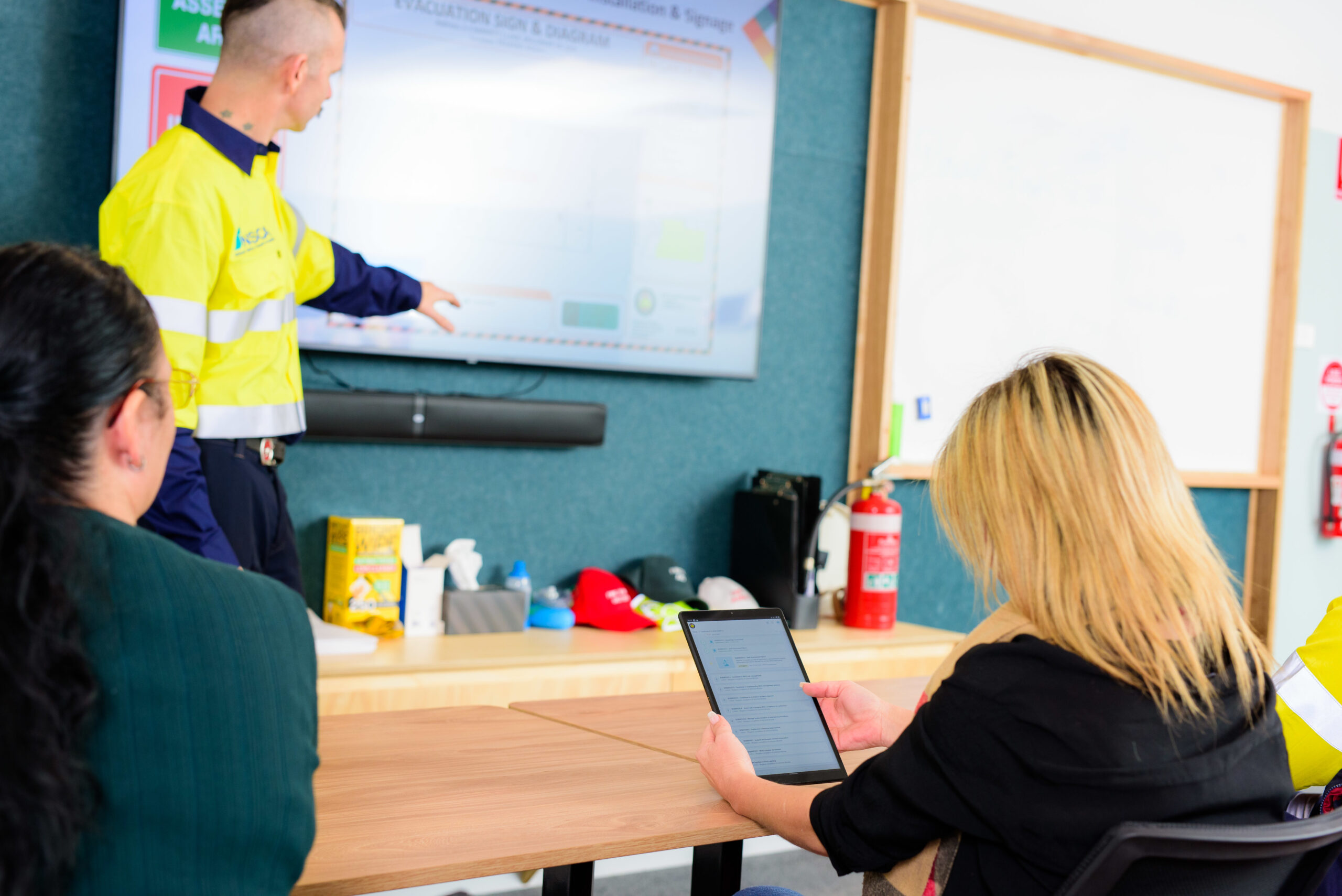
Take your leadership in workplace safety to the next level with the nationally recognised PUAFER006 Chief Warden Training. Designed for Chief and Deputy Fire Wardens, this face-to-face 3-hour course teaches critical skills: coordinating evacuations, leading a warden team, making decisions under pressure, and liaising with emergency services. Course cost is generally AUD $130 per person for public sessions. Held in multiple locations including Brisbane CBD (Queen Street), North Hobart, Adelaide, and more across Queensland such as Gold Coast, Sunshine Coast, Toowoomba, Cairns, Ipswich, Logan, Chermside, etc.
If you’ve been appointed as a Chief or Deputy Fire Warden at your workplace, the PUAFER006 – Chief Warden Training is designed to give you the confidence and skills to take charge when it matters most. This nationally accredited course goes beyond the basics of emergency response, teaching you how to coordinate evacuations, lead and direct your warden team, make quick decisions under pressure, and effectively communicate with emergency services. Delivered face-to-face in just 3 hours, the training is practical, engaging, and focused on real-world workplace scenarios. You’ll walk away knowing exactly what to do when an emergency unfolds—and you’ll receive your certificate the same day you complete the course. With training available across Australia—including Brisbane CBD (Queen Street), North Hobart, Adelaide, Gold Coast, Sunshine Coast, Toowoomba, Cairns, Ipswich, Logan, Chermside and more—it’s easy to find a location near you. At just $130 per person, this course is an affordable way to make sure your workplace is compliant with safety requirements while also giving you peace of mind that you can step up and lead when it counts.